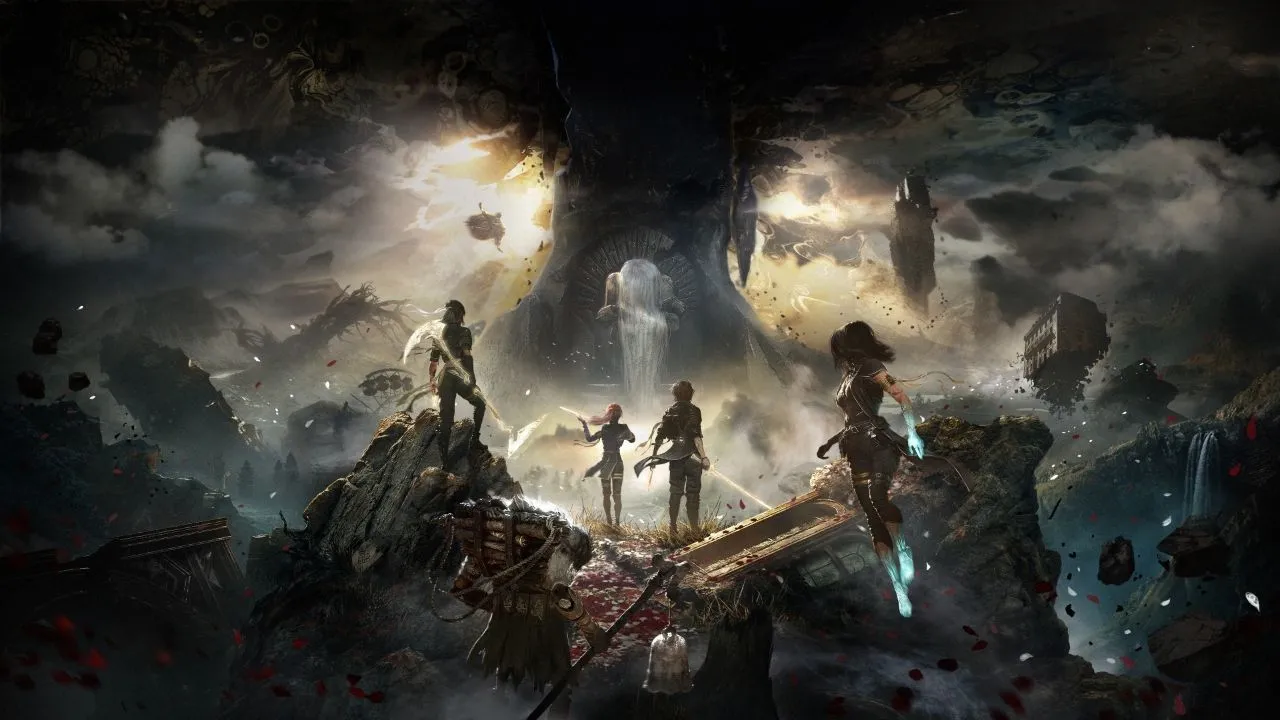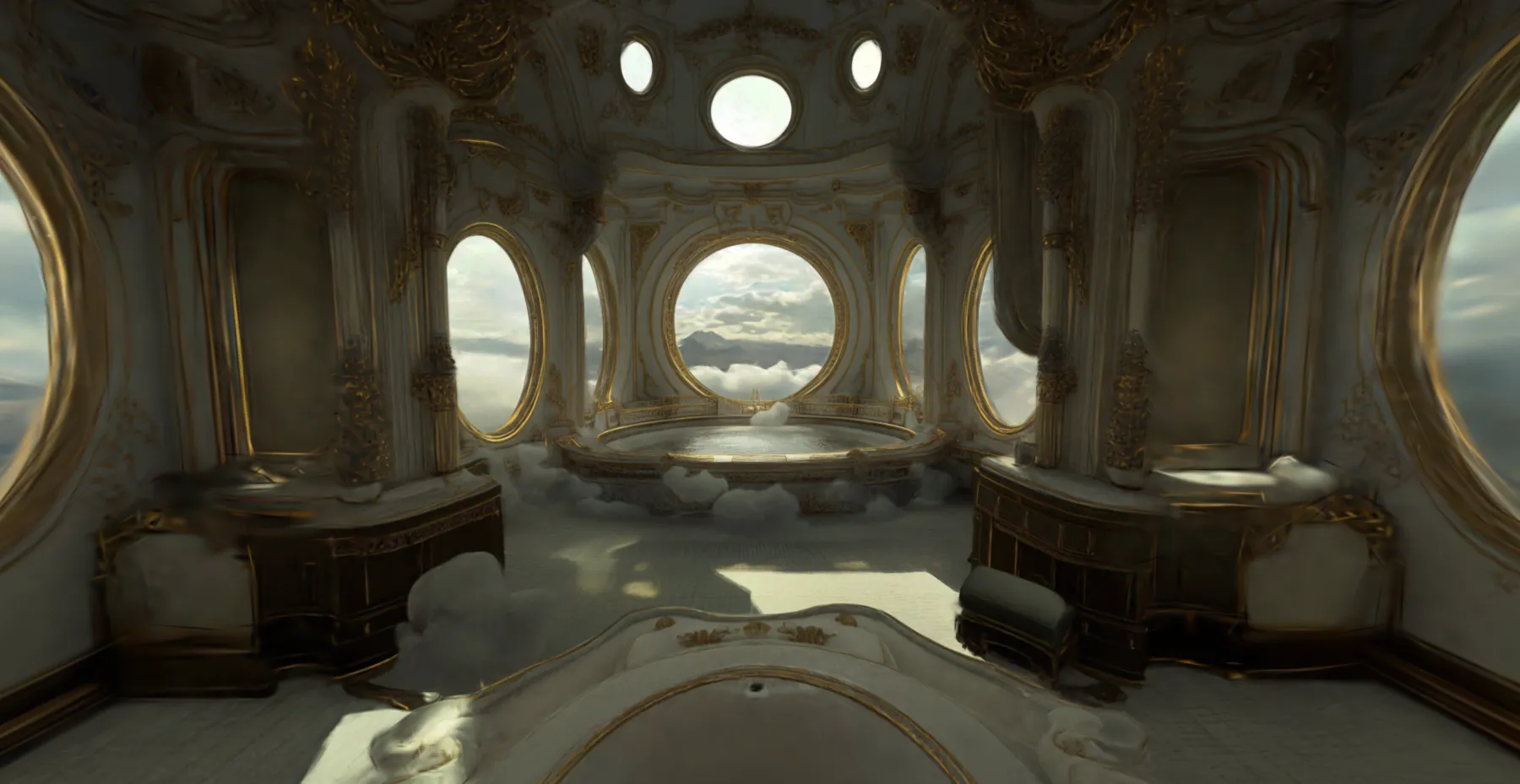
Marble makes the leap from flat generation to walkable 3D space. Instead of a single image, it builds explorable worlds that can be created from text, images, multi-image inputs, 360 panoramas, and video.
The wow factor: a world you can enter
The pitch is simple and striking: generate a space, move through it, then refine it. Marble frames itself as a tool for creating, editing, and sharing high-fidelity, persistent 3D worlds — with browser viewing, VR support, and studio tools for stitching and expanding scenes.
Built for games, VR, and interactive storytelling
That makes Marble feel especially relevant to gaming workflows. It can help prototype environments, build immersive narrative spaces, and create spatial assets that are easier to navigate than a static render.
- Text input for fast world creation
- Image and multi-image input for visual direction
- 360 panorama input for spatial reference
- Video input for motion-based world creation
- Editing and expansion for larger, more detailed spaces
A new kind of world model
Marble is less about a picture and more about a place. That shift — from surface to space — is what gives it its visual punch, and why it stands out for game makers and world builders.
For anyone watching the future of interactive 3D, Marble is the kind of demo that makes the next step feel tangible.
Open the official page to learn more.